Stop The Inola Smelter
NOT in our Town!
The United States' largest aluminum smelter is proposed less than 3 miles from Inola schools, homes, and farms. Educate yourself. Take action. #HealthOverWealth
Proposed Facility Details
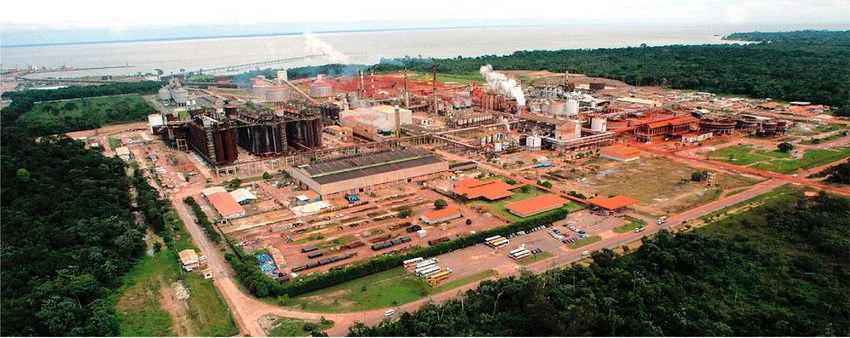
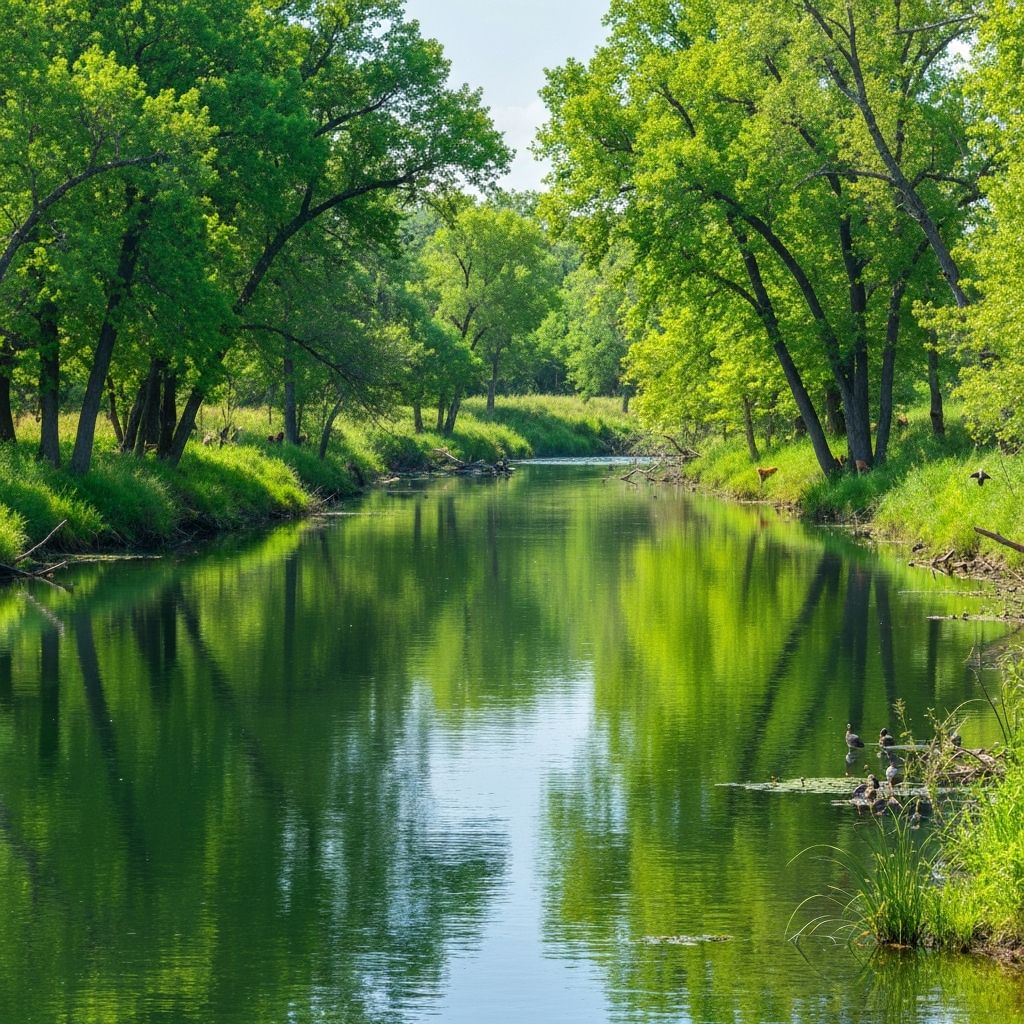
Comparable facility: This is what a massive aluminum smelter actually looks like — hundreds of acres of industrial infrastructure, massive stacks, and intense environmental impact right next to natural landscape.
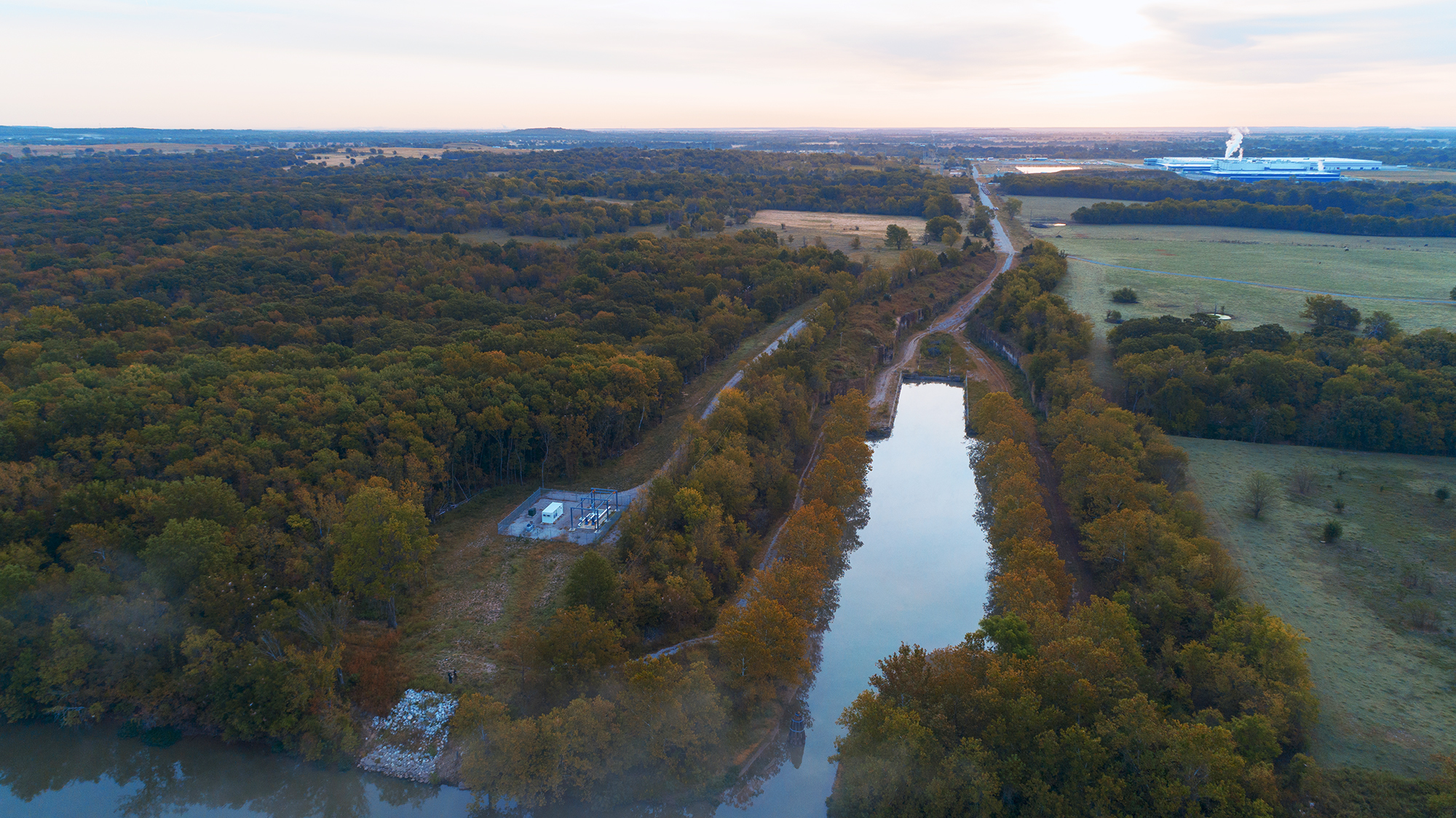
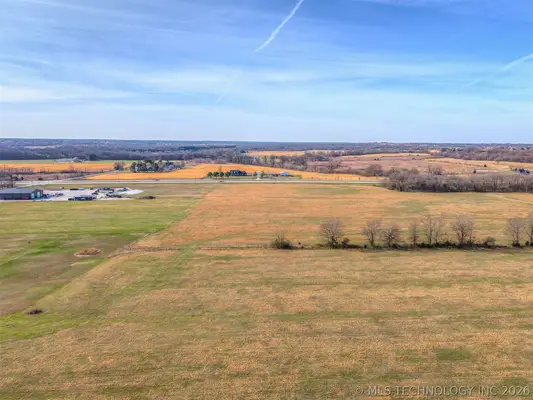
Aerial view of proposed site: ~350 acres on Muscogee (Creek) Nation land along the Verdigris River. Note the proximity to farms and the river.
~300 ft
Primary stack height
350 acres
Proposed facility size
< 3 miles
From Inola schools
1,000+ MW
Power consumption
“Our children and grandchildren deserve better than this. Will our legacy be an enormous foreign-owned industrial smelter consuming more power than most Oklahoma cities, emitting hazardous pollutants into our air, water, and soil — all in the name of economic development? Or will we protect the land, health, and future of Green Country for generations to come?”
Concerns & Risks
These are documented risks based on the air permit application, published scientific studies, and real-world precedents from comparable facilities.
Air Pollution
- •Estimated air emissions: 150,000,000 cubic feet per month
- •Proposed emissions: ~425 tons/year fluoride (HF) — classified as an extremely hazardous substance by Environmental Protection Agency (EPA)
- •Hazardous Air Pollutants (HAPs), nitrogen oxides (NOx) at ~316.2 tons/year, sulfur dioxide (SO₂)
- •Fine particulate matter (PM2.5) containing heavy metals
- •Requires Prevention of Significant Deterioration (PSD) permit from Oklahoma Department of Environmental Quality (ODEQ) and EPA Region 6 — contact them today
Water & River Impact
- •Facility located directly on the Verdigris River
- •Primary supply: over 1,500,000 tons of alumina powder annually via barge
- •Adds 1,000+ barges annually to Verdigris River traffic and wear
- •Alumina powder is metallic dust that causes respiratory irritation and accumulates on fish gills
- •Fluoride bioaccumulation in aquatic ecosystems
- •Harm to mussels, fish, and other aquatic animals
Impact on Agriculture & Cattle
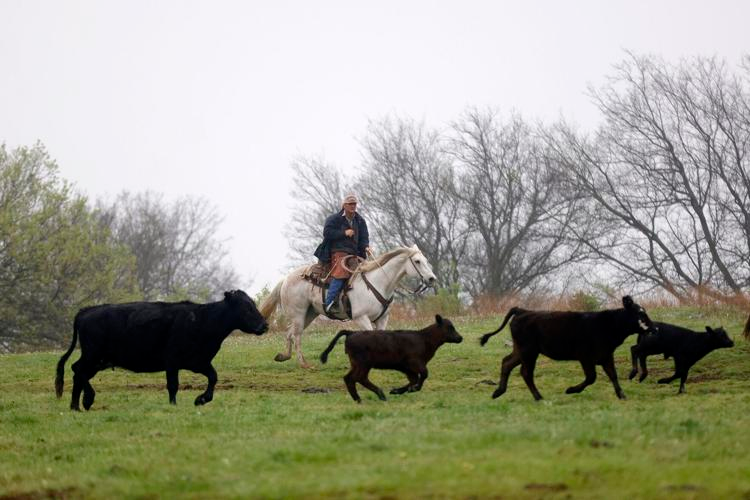
- •Fluoride emissions bioaccumulate irreversibly in cattle bones (~425 tons/year)
- •90%+ of fluoride exposure is dietary; cattle consume 50+ lbs forage daily
- •Dental fluorosis: mottled enamel, rapid wear, reduced feed intake
- •Skeletal fluorosis: lameness, bone deformities, stunted growth, reproductive failure
- •1979 Cornwall Island study: ~300 tons/year fluoride caused complete herd collapse within 5 miles — Inola projects 425 tons/year
Ranchers and farmers: your livelihoods are at stake — speak up now.
Traffic, Noise & Industrial Disruption
- •24/7 continuous industrial operation
- •Over 1,000 additional barges per year on Verdigris River
- •Heavy truck traffic, industrial noise from 17+ exhaust stacks running continuously
- •Sets precedent for further heavy industrialization in rural Inola
- •Industrial park development would transform the area
Is this the Inola you want for your children?
Energy Grid Impact
- •Facility would consume 1,000+ megawatts (MW) of continuous power
- •Massive draw on Oklahoma utility grid affecting reliability and energy costs
- •PSO (Public Service Company of Oklahoma) is primary regional power provider
- •Energy demands and grid stress from this single facility
Regional Crisis – Impact Beyond Inola
- •Inola: From "hay capital of the world" to "pollution capital of Oklahoma"
- •Prevailing winds carry pollution to Claremore, Pryor, Broken Arrow, Tulsa, and Coweta
- •Regional air quality degradation affects health and quality of life across Green Country
- •This is a crisis for all of northeast Oklahoma — not just Inola
We fight for all of Green Country, not just Inola.
Latest Community Voices
Recent news coverage and community testimony — hear from ranchers, residents, and elected officials
Inola Leaders Approve ICARE Committee as Residents Push for Smelter Moratorium — FOX 23
June 8, 2026: Inola city councilors approve the community-created ICARE committee and agree to put a proposed 6-month moratorium on the next meeting agenda.
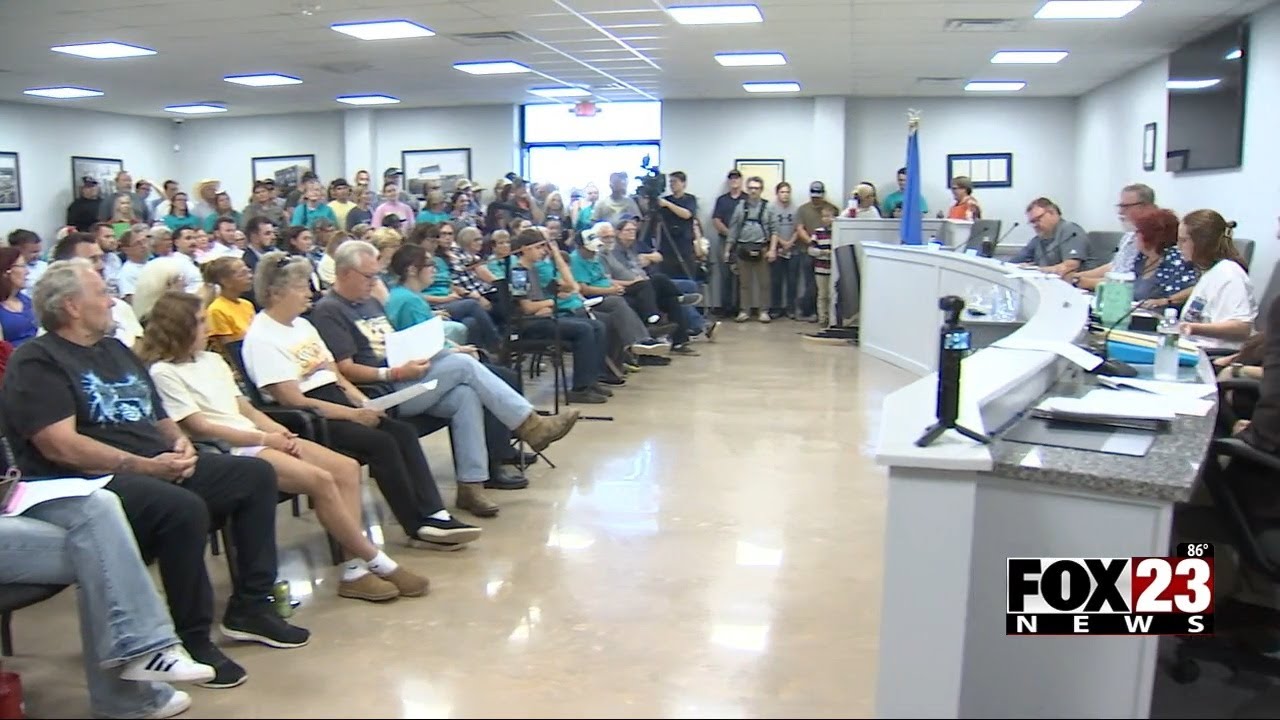
Rep. Tom Gann's Comments at the Inola Town Council Meeting
June 8, 2026: State Representative Tom Gann (House District 8) urges the council to adopt a moratorium and stand with the citizens of Inola for transparency and independent study.
Who Is Behind This?
The proposed facility is a joint venture branded as “Oklahoma Primary Aluminum” — largely owned by a foreign state-controlled entity.
60% Ownership
Emirates Global Aluminum (EGA)
- • A UAE state-owned aluminum company
- • Announced construction will begin at end of 2026
- • Land sale of ~350 acres at Tulsa Port of Inola has not yet closed as of March 2026
40% Ownership
Century Aluminum
- • A US-based aluminum company
- • Together they would operate the US's largest primary aluminum smelter
- • Uses energy-intensive Hall-Héroult electrolysis process
Key Facts About the Project
- • Primary aluminum smelter — processes raw alumina into aluminum using electrolysis; far more energy-intensive and polluting than secondary/recycling operations
- • Site located on Muscogee (Creek) Nation land — raising critical tribal sovereignty and consultation concerns
- • Tulsa Port Authority selling approximately 350 acres for facility
- • Would produce 800,000 tons of aluminum annually — doubling current US production
- • Industrial park secondary use: Could attract other heavy industry to the Port
- • Joint venture branded as "Oklahoma Primary Aluminum"
What Will You Tell Future Generations?
Will you be the one to explain that it was “good for the economy”? That profits for a foreign-owned company were more important than our air, water, land, and quality of life?
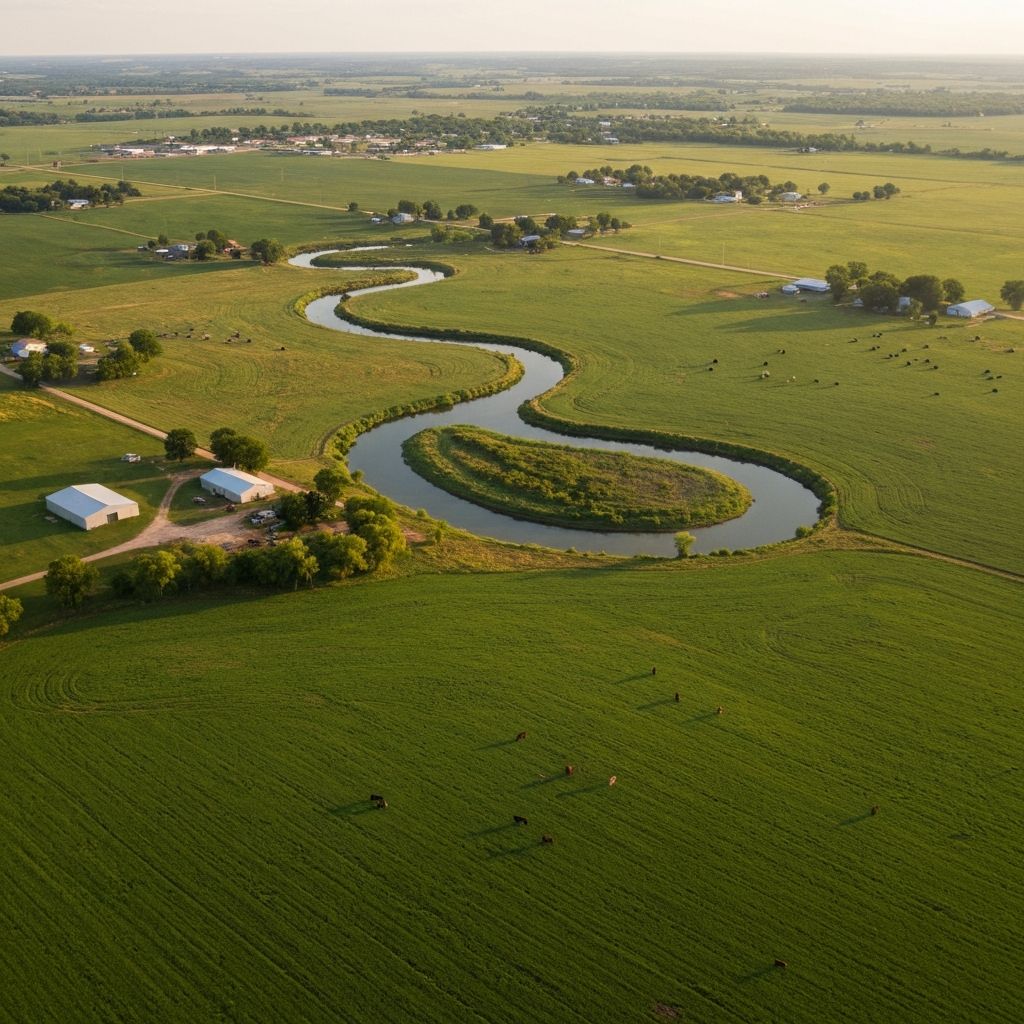
Protect the land, health, and future of Green Country for generations to come.